
Architecture Driven by a Demand for Simplicity
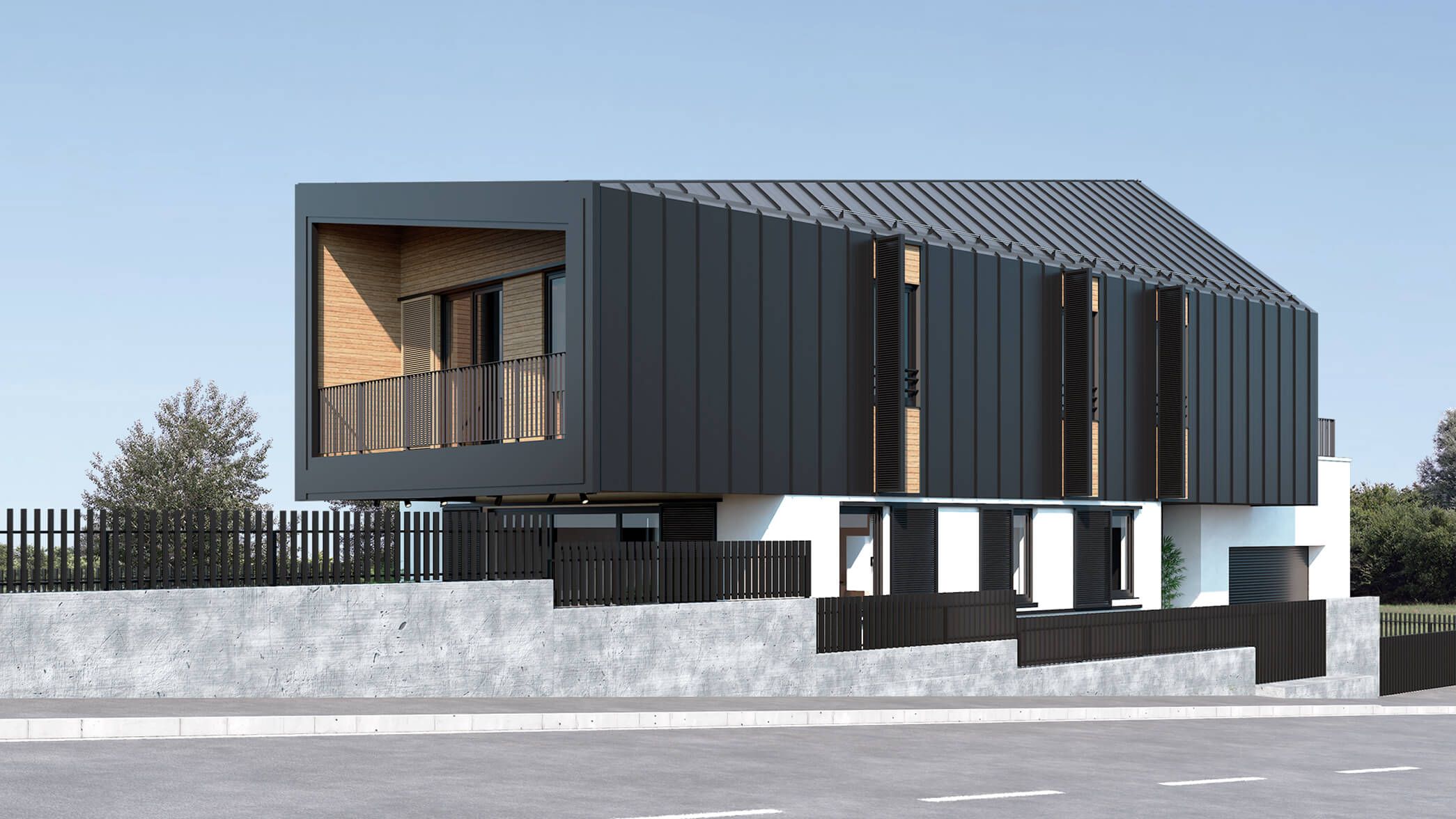
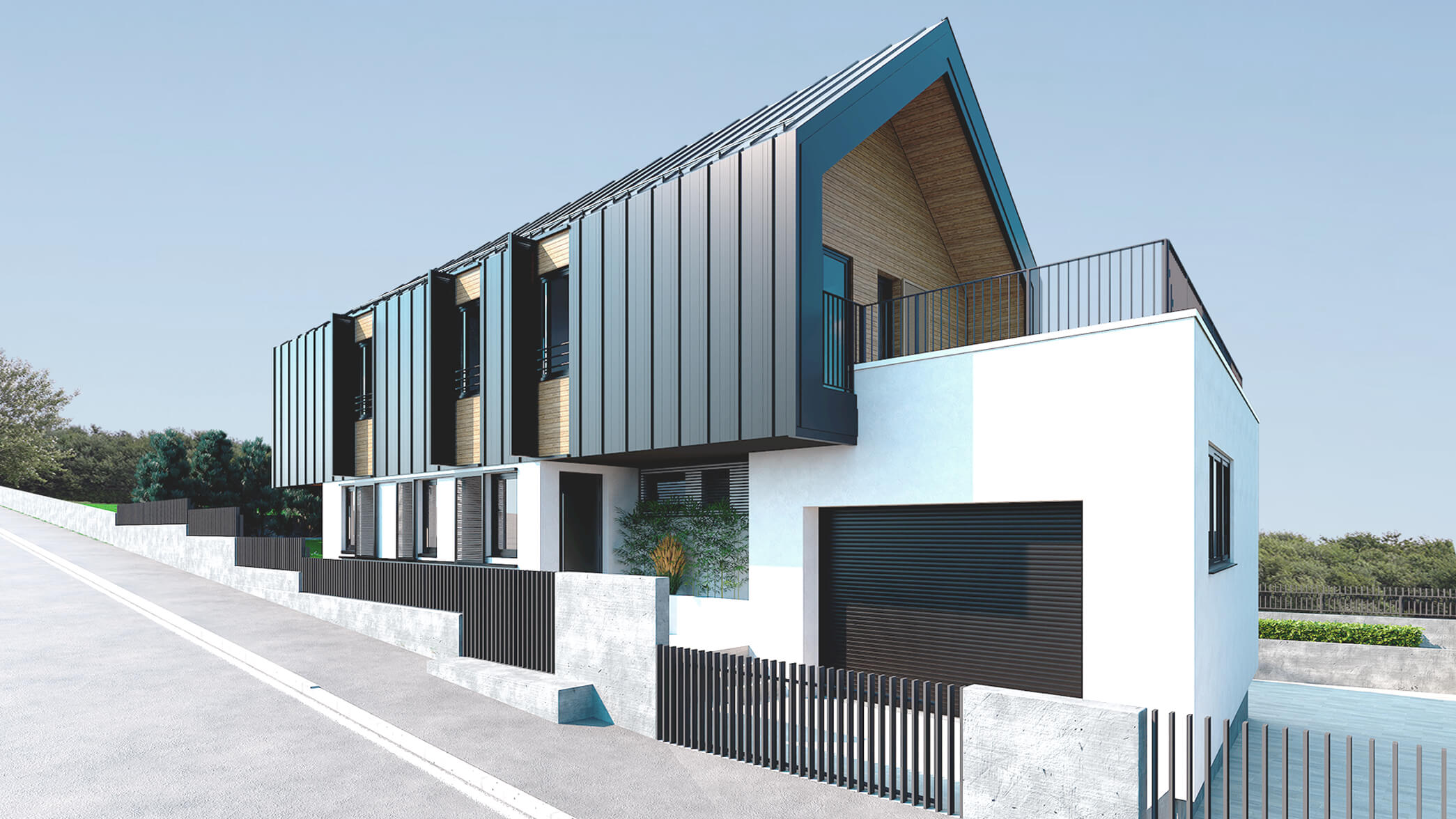
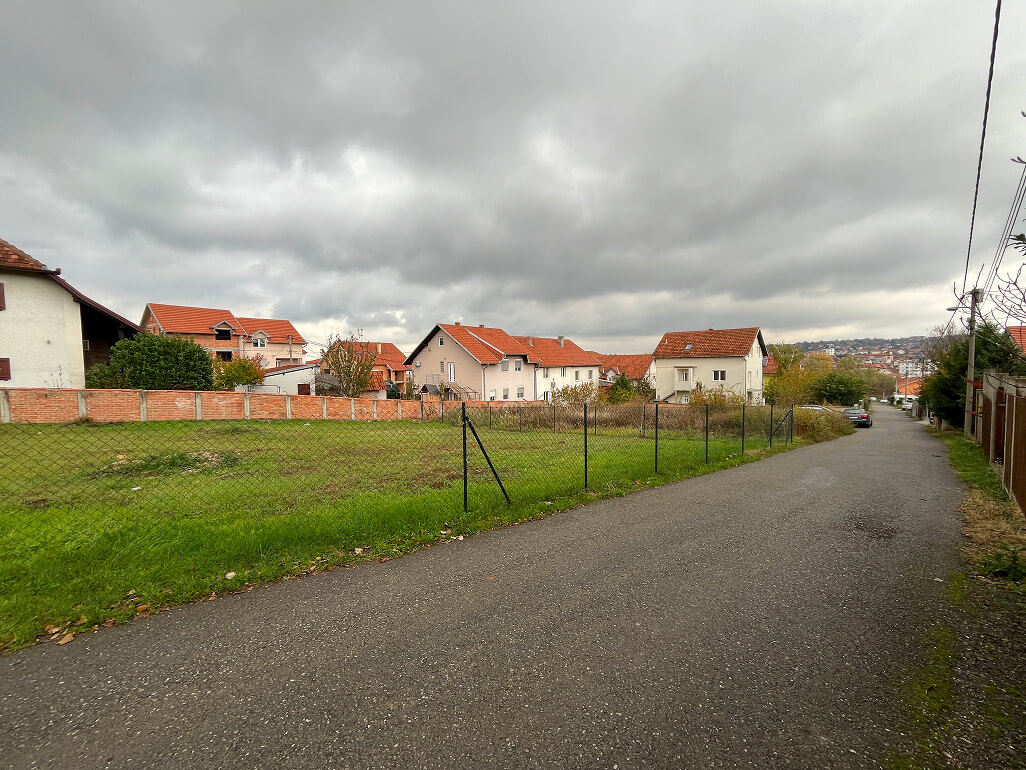
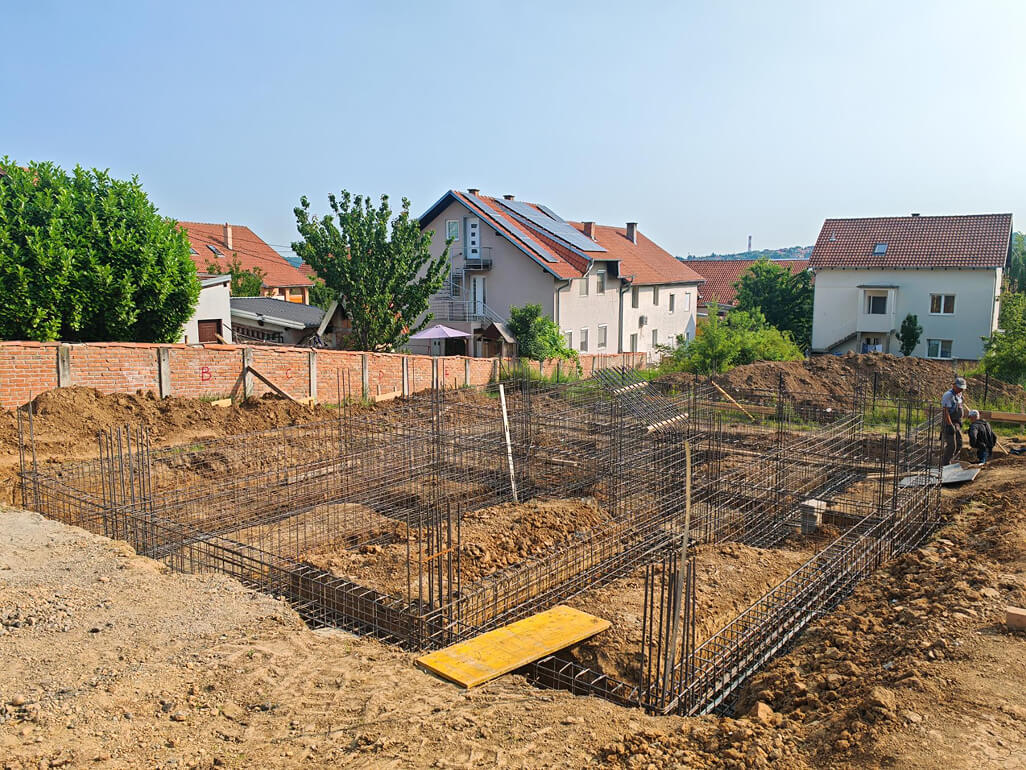
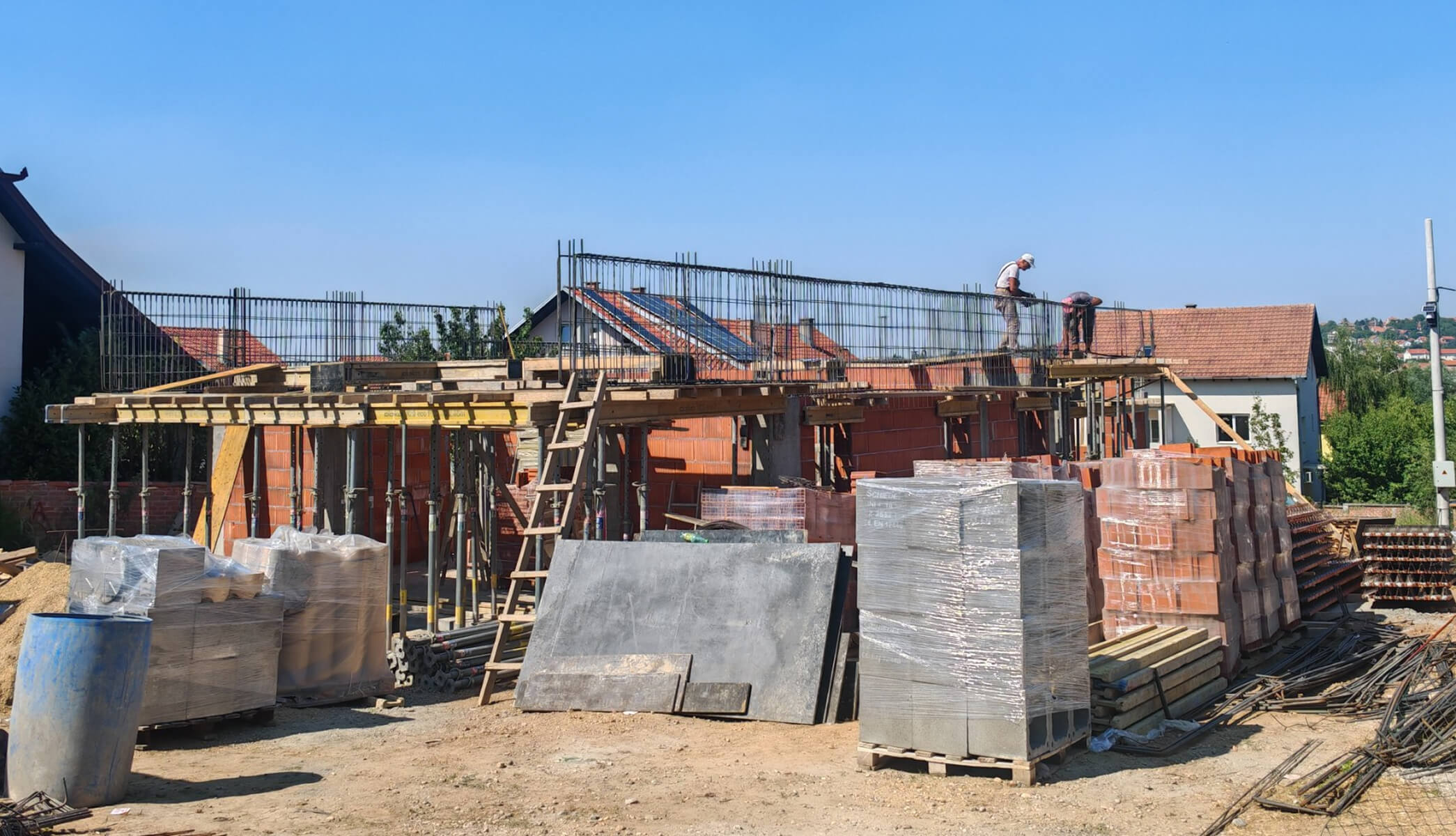
At the edge of Belgrade’s suburban fabric, in Miljakovac, the house emerges from a seemingly very simple request — the client asks for a “basic house.” Without emphasized form, without complexity, without architectural excess.
However, that single sentence already contains the entire project.
What is defined as simple becomes, in the design process, the most open and demanding question. The form of the house does not arise as a predefined object, but as a precise response to context, terrain, orientation, and the way life will unfold within it.
Here, architecture is not developed from the idea of an image, but from the idea of logic — one that must be clear enough to appear simple, and precise enough to withstand the complexity of everyday life.
The Roof as a Precise Deviation
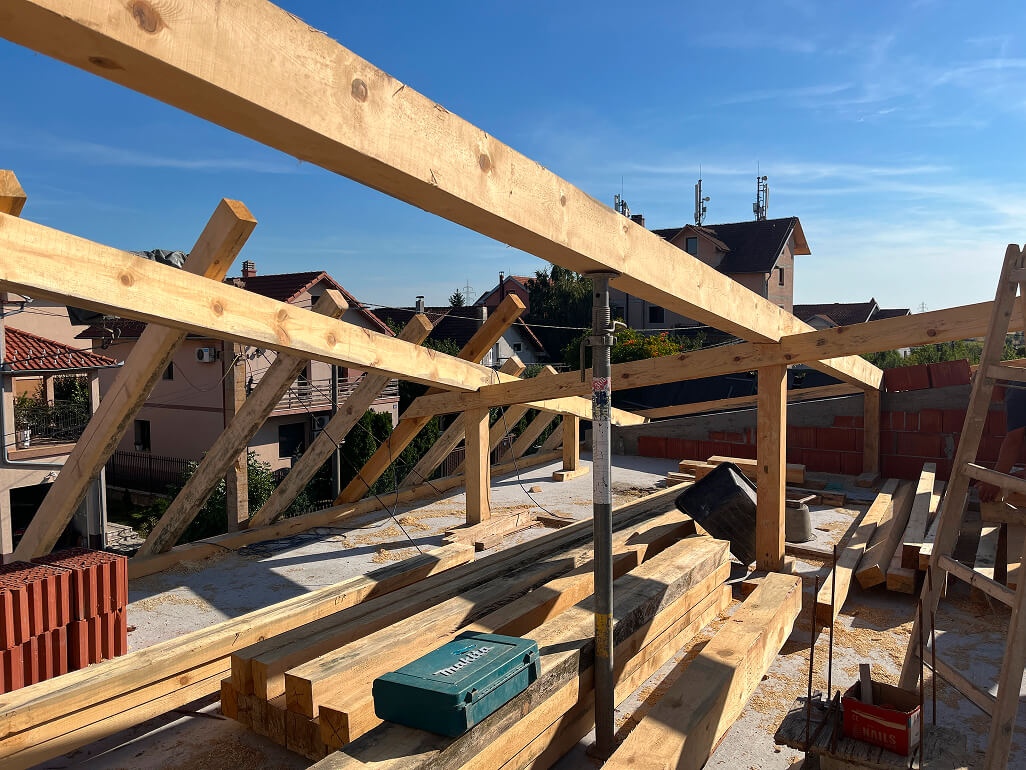
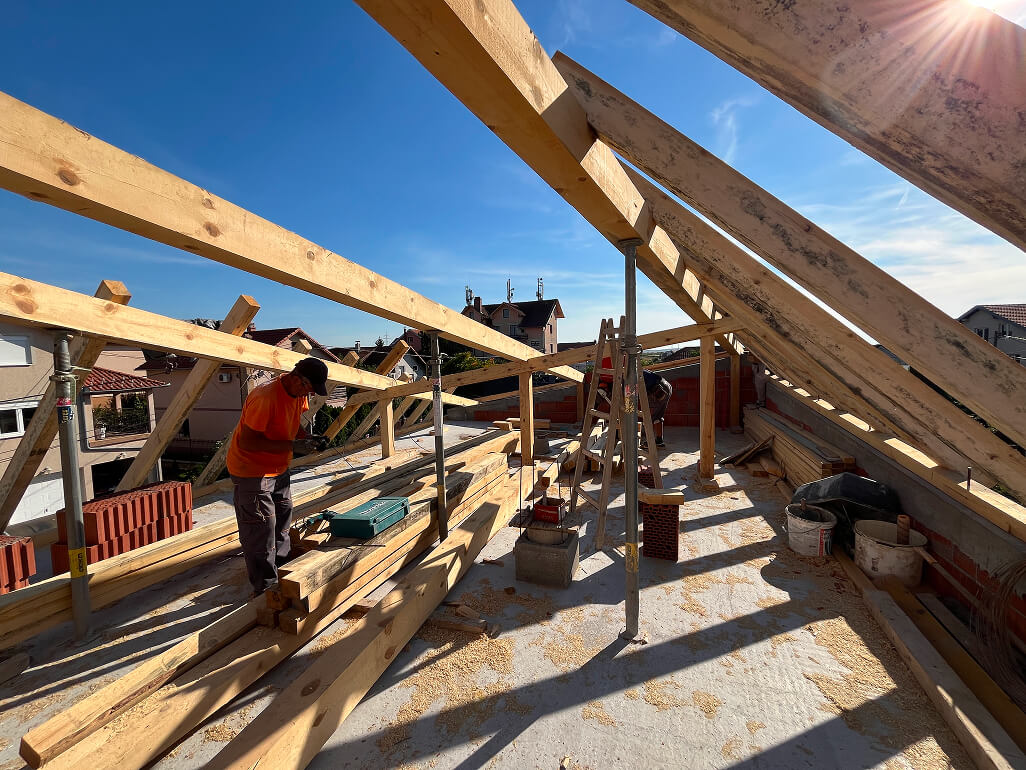
The roof becomes the key moment of the project.
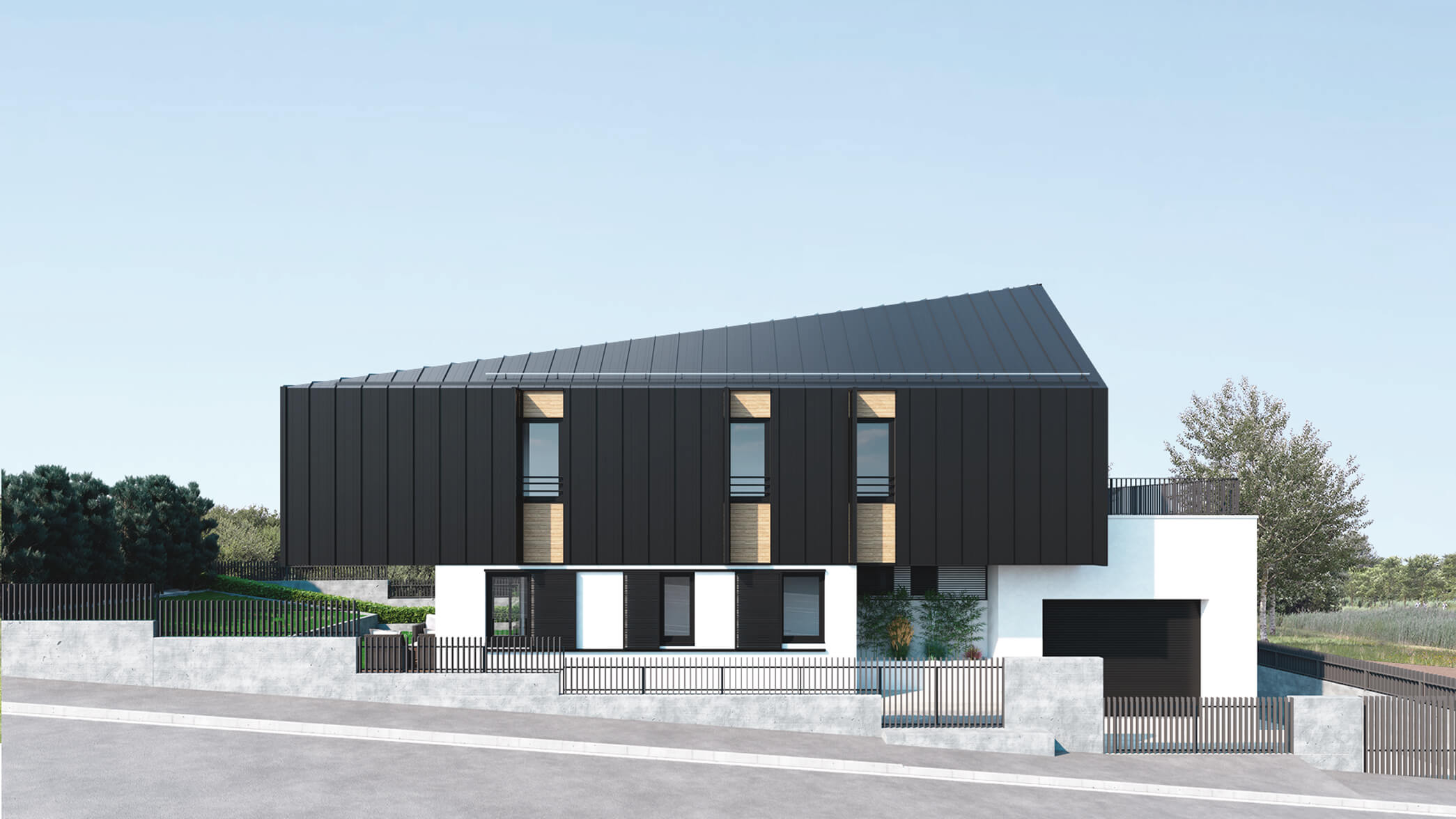
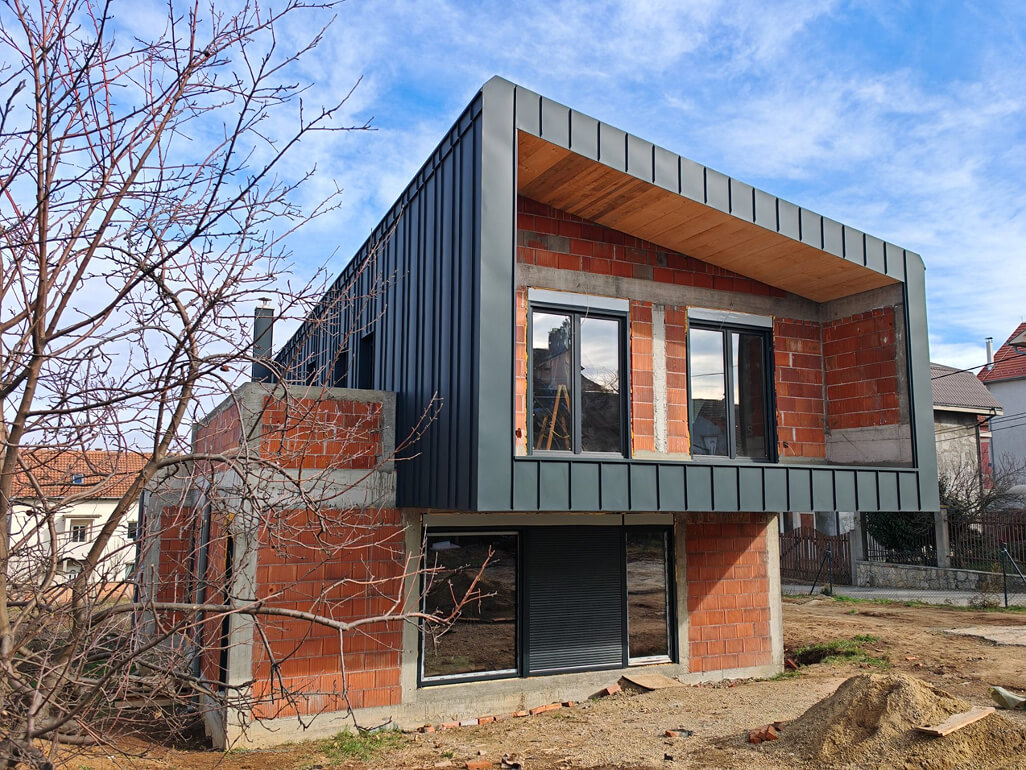
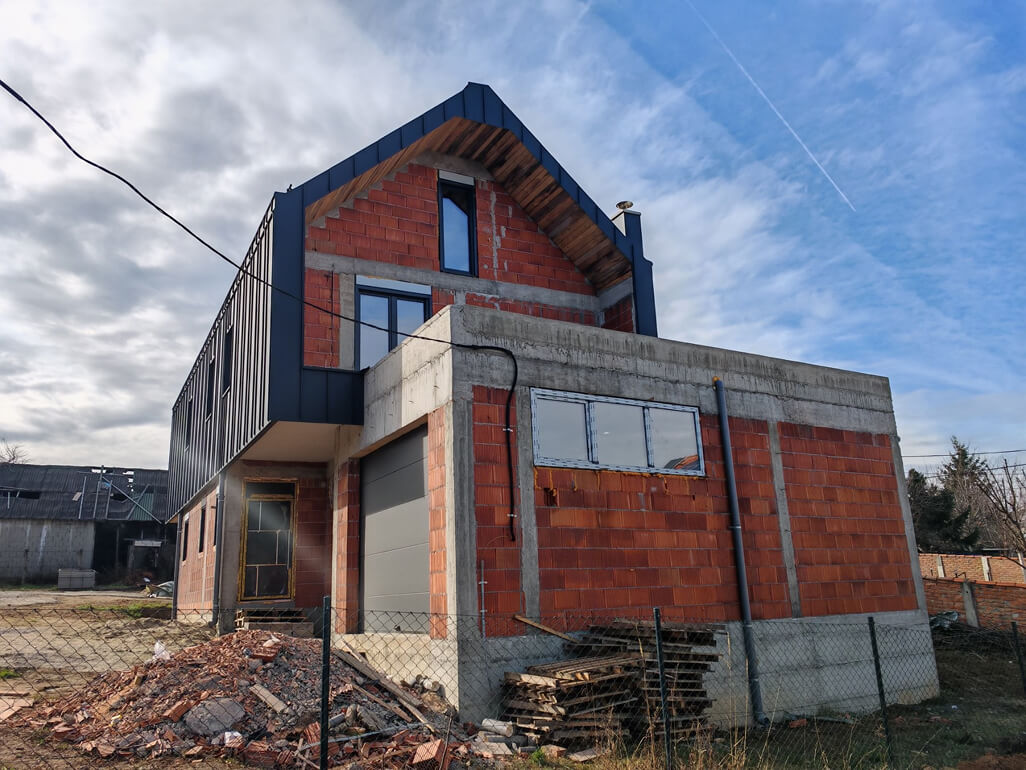
At first glance familiar, it simultaneously belongs to two different logics — a gabled and a mono-pitched structure. Their overlap and mutual displacement do not produce an effect, but a controlled tension within the building’s volume.
Within this shift, a subtle deformation of the familiar form emerges. Enough to disrupt expectation, but not enough to disturb the calmness of the whole. This “deviation” does not cancel simplicity — it refines it.
The roof thus becomes more than a construction element. It becomes the carrier of the building’s identity.
The House Between Observation and Use
The interior follows the same logic of clarity and restraint. The space does not fragment but flows — from shared to private, from open to protected, from light into stillness.
The living room opens towards the garden, capturing the southwest light, while the sleeping zones retreat into more controlled and calmer orientations. Everything is precisely placed, yet without a sense of rigidity — the space remains flexible in its use.
This house exists simultaneously as an object and as a space. It can be observed from the outside as a quiet composition in the landscape, yet it fully reveals itself only through use — through everyday living, movement, and dwelling.
In this dual identity lies its true nature.
For the architect, this project remains a space between two roles — engineering precision and artistic interpretation. The house originates from a simple request, yet evolves into an exploration of the limits of that simplicity.
Not as a form that answers a question, but as a form that extends it.